9 ways to test ideas before you build
Nine proven pretotyping methods for testing demand fast. Each gives you a different, cheap way to gather your own data before you commit to building. Deciding whether to pretotype or prototype first? Read the difference between pretotyping and prototyping.
Which method should you use?
Pick the cheapest test that produces real evidence for your biggest risk. Use this quick-selector to jump to the right one.
| Method | Best when |
|---|---|
| Fake Door | You want to measure raw demand for something that doesn't exist yet. |
| Mechanical Turk | You can fake the automation by hand before you build the real system. |
| Pinocchio | You want to see how people would use it, using a non-working stand-in. |
| Facade | You run a limited service and want to test demand before scaling it. |
| Imposter | You want to test a new market or positioning by repackaging what already exists. |
| Infiltrator | You want to test the idea inside an existing store, channel, or customer flow. |
| One Night Stand | You can offer the idea once, or briefly, before committing to make it permanent. |
| Provincial | You want to test in one small market or team before rolling out broadly. |
| YouTube | You want to make an idea that isn't built yet feel real with a short video. |
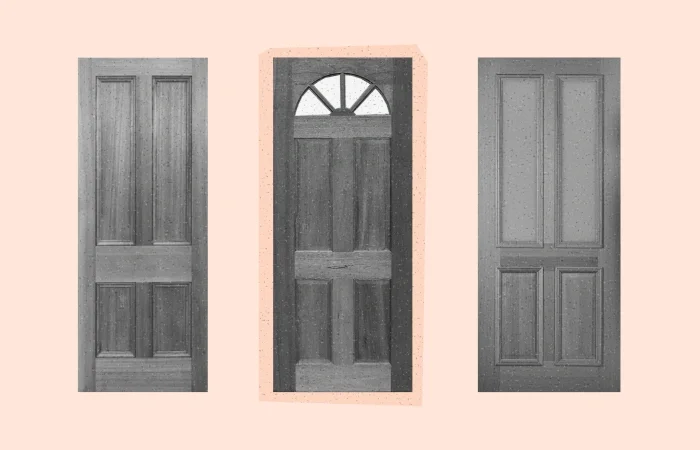
The Fake Door Method
A Fake Door test measures demand for something that doesn't exist yet by putting a believable entry point in front of real users.
Example: Buffer
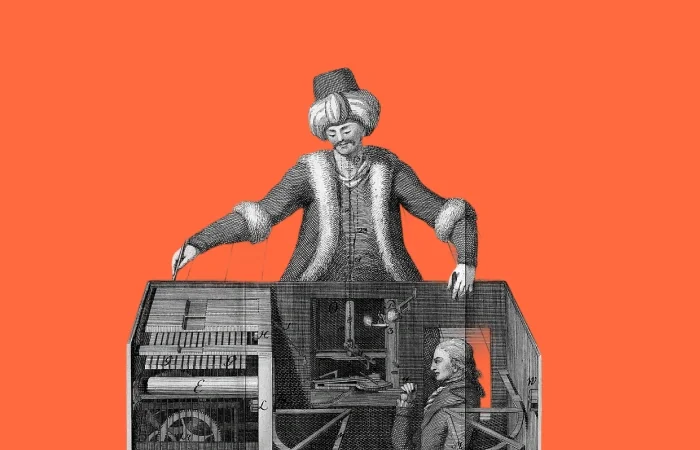
The Mechanical Turk Method
A Mechanical Turk pretotype uses people to simulate a product, service, AI, or automation before the team builds the real system.
Example: Zappos
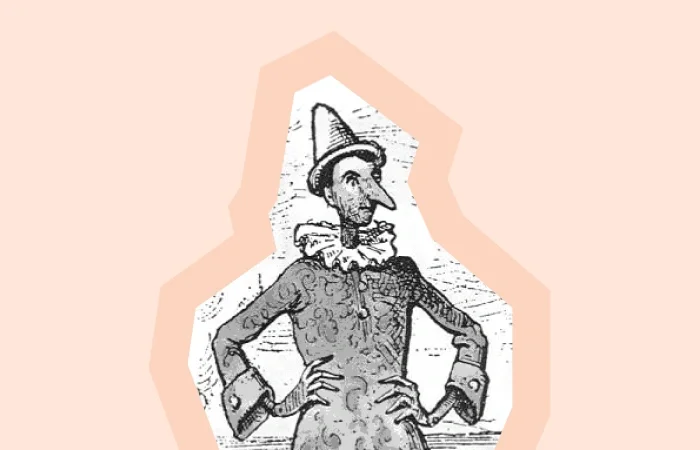
The Pinocchio Method
A Pinocchio pretotype uses a non-working version of a product so people can act as if it works and reveal how they would use it.
Example: Palm Pilot

The Facade Method
A Facade pretotype makes an existing or limited service look more available or scalable than it currently is, so you can test demand before committing to scale.
Example: CarsDirect

The Imposter Method
An Imposter pretotype tests a new market, feature, category, or positioning by repackaging something that already exists to impersonate the new idea.
Example: Tesla

The Infiltrator Method
An Infiltrator pretotype places an artefact of your idea inside an existing store, marketplace, channel, or customer flow to see whether people would buy or choose it there.
Example: Upwell Labs / IKEA

The One Night Stand Method
A One Night Stand pretotype offers a version of the idea once, or for a very limited time, before the team commits to making it permanent.
Example: Airbnb

The Provincial Method
A Provincial pretotype tests the idea in one smaller, more contained market, region, team, store, audience, or context before launching broadly.
Example: Best Buy

The YouTube Method
A YouTube pretotype uses video to make a not-yet-built product, service, or experience feel real enough for people to respond.
Example: Google Glass
What about MVPs?
MVPs still matter. They just answer a later question. A pretotype tests whether the idea deserves more investment. An MVP is the first real, working version once you have enough evidence to build something useful for early adopters. That makes an MVP a later-stage bridge, not one of the nine core methods.
- Use pretotyping when the biggest risk is demand.
- Use prototyping when the biggest risk is feasibility or usability.
- Use an MVP when enough evidence says the idea deserves a first working version.
Before you commit to an MVP, prove the demand with one of the nine methods above. Test an idea free.
Learn every method, free
The Learn Pretotyping series walks through each method with worked examples, so your team can run the right test the first time.

From the free Learn Pretotyping series. More on Leslie Barry's channel →
Common questions
- How many pretotyping methods are there?
- There are nine core pretotyping methods: Fake Door, Mechanical Turk, Pinocchio, Facade, Imposter, Infiltrator, One Night Stand, Provincial and YouTube. Each gives you a different, cheap way to test demand before you build.
- Which pretotyping method should I use?
- Start with the cheapest test that can produce real evidence for your biggest risk. If the risk is demand, a Fake Door or YouTube pretotype is often fastest. If you can fake the automation by hand, use Mechanical Turk. The quick-selector on this page matches each method to the situation it fits best.
- Is an MVP a pretotyping method?
- No. An MVP is the first real, working version of a product, built once you have enough evidence that the idea deserves building. Pretotyping comes earlier and answers a different question: should we build it at all? Prove demand with a pretotype before you commit to an MVP.
- What is the difference between pretotyping and prototyping?
- Prototyping tests whether you can build it. Pretotyping tests whether you should. Pretotyping uses your own data to check real demand before you invest in building the Right It.
- Where can I learn pretotyping?
- The free Learn Pretotyping series on Leslie Barry's channel walks through each method with worked examples. You can also test an idea free with the idea validator.